The build
We made a book and got it into people’s hands.
Every step, in order, with the actual artifact from each one. No stock photography and no claims we cannot show you.
The build
Every step, in order, with the actual artifact from each one. No stock photography and no claims we cannot show you.
A picture book is 32, 40 or 48 pages. Ours is 48. It follows six trades: the plumber, the carpenter, the electrician, the roofer, the HVAC tech and the mason. They are in the book because a child can watch all six of them work without leaving the block.
The roofer is a real person. He is the author’s brother in law. That is the whole method in one line: start from something true, then build.

An ISBN is not a formality. If you take the free one a retailer hands you, the retailer owns it, your book lists as “Independently published”, and you cannot carry that identifier anywhere else. We bought our own. One per format.
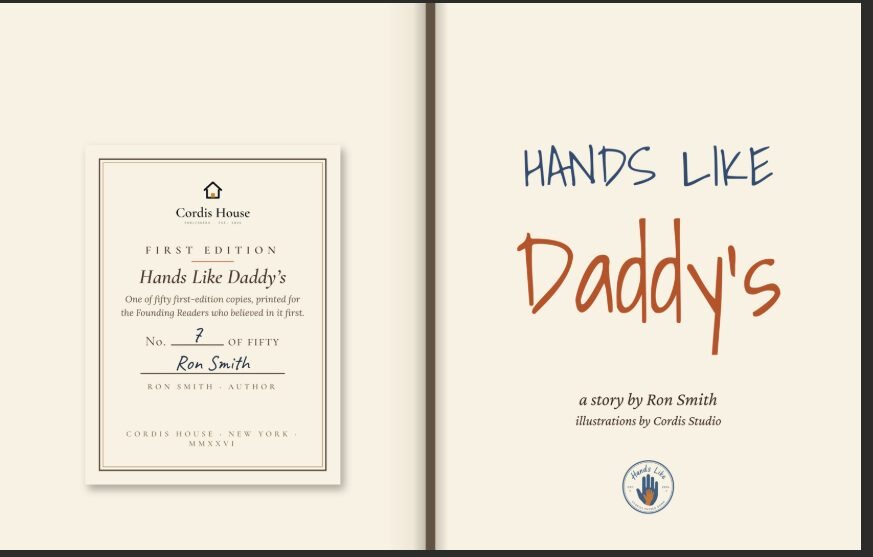
Then the imprint, the copyright page, the LCCN, the title page. None of it is glamorous and all of it is permanent.

Every copy is printed to order, one at a time, which means no print run to gamble on and no inventory to discount. It also means the first thing you hold is a proof, and the proof is where you find out what the screen was lying about.
Hardcover and paperback, 48 pages, eight and a half by eleven inches.
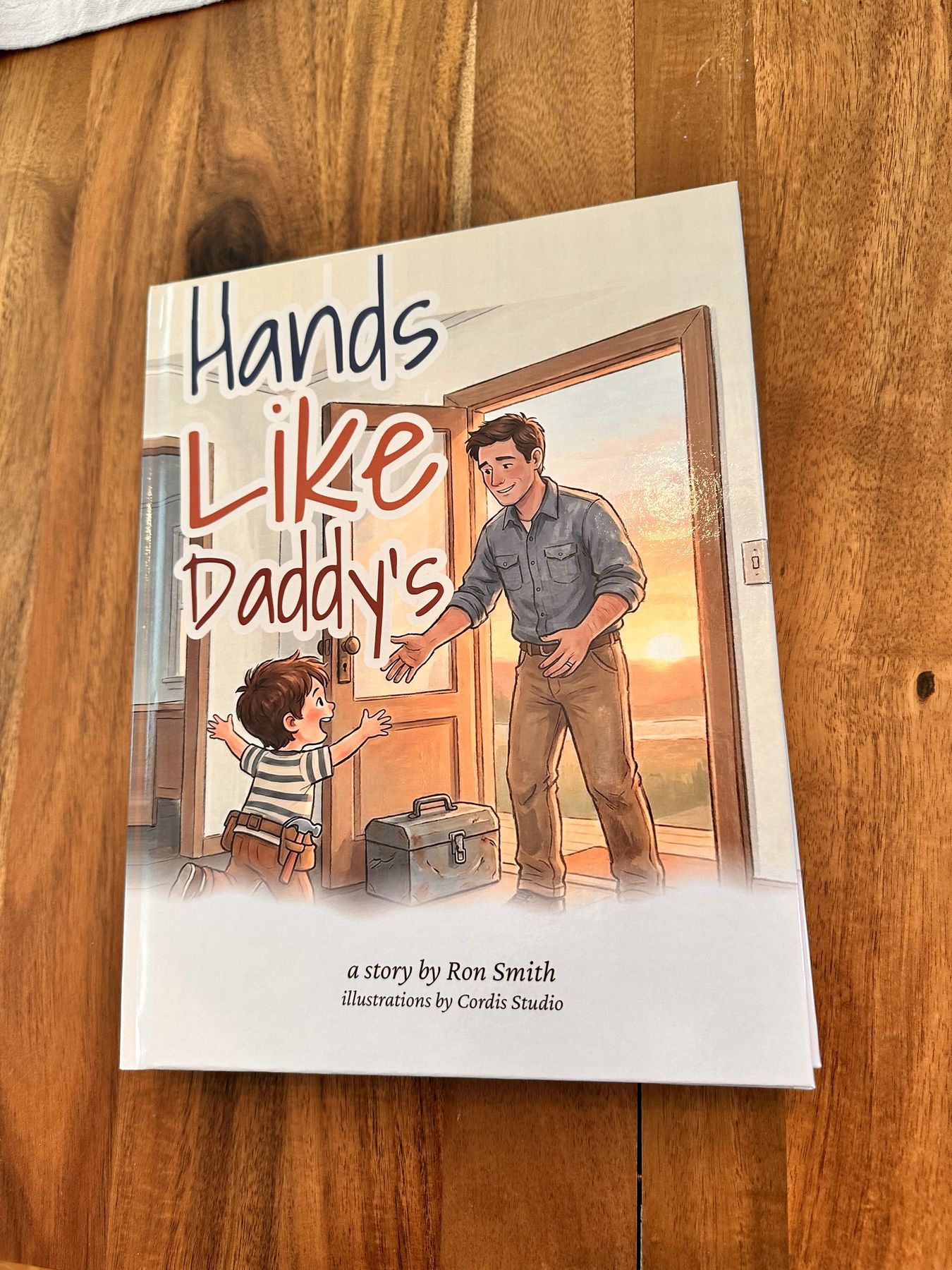

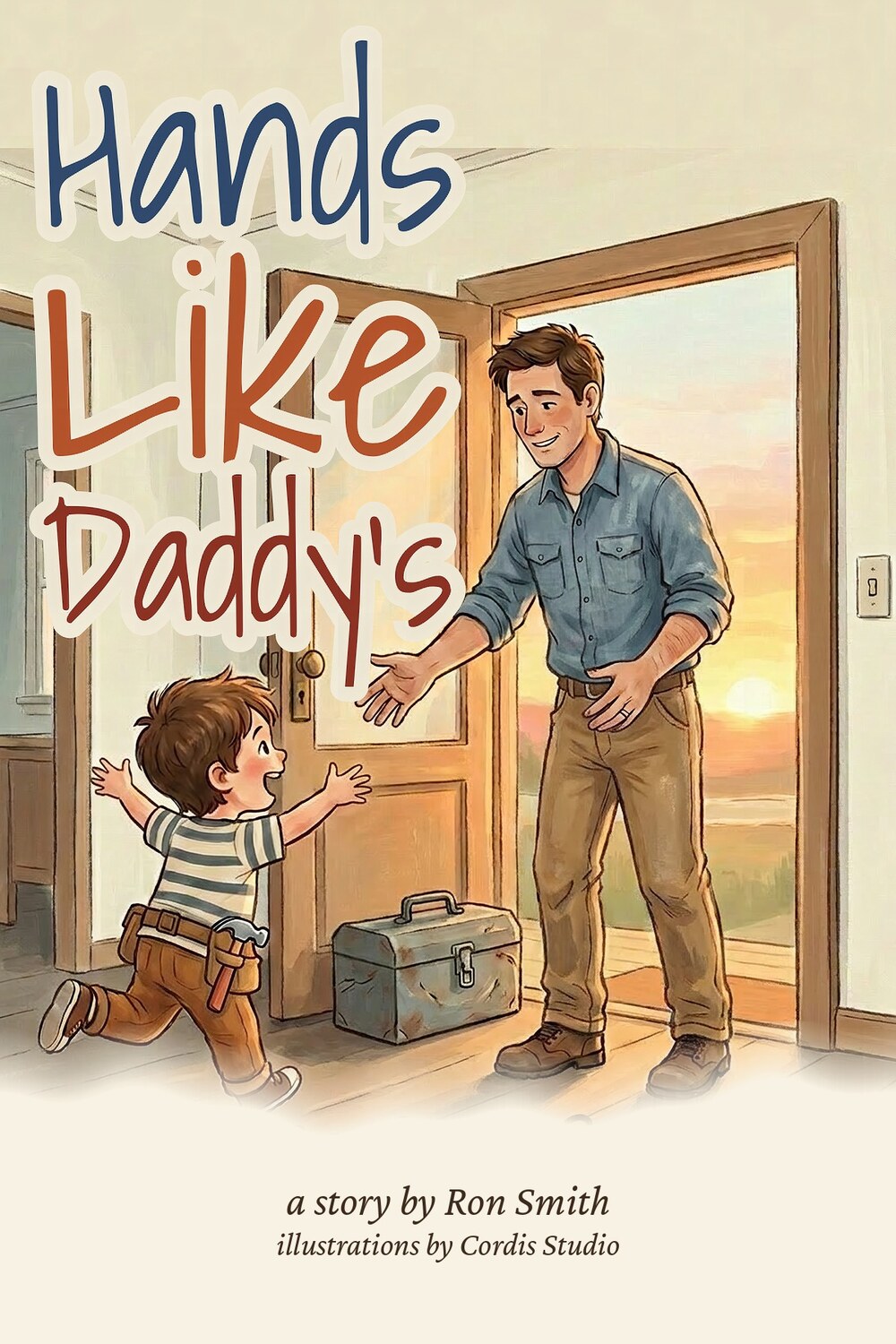
The first printing carried a cream band across the bottom, with the byline set small and italic inside it. On screen it looked considered. In your hands it looked like the art had been parked above a caption.
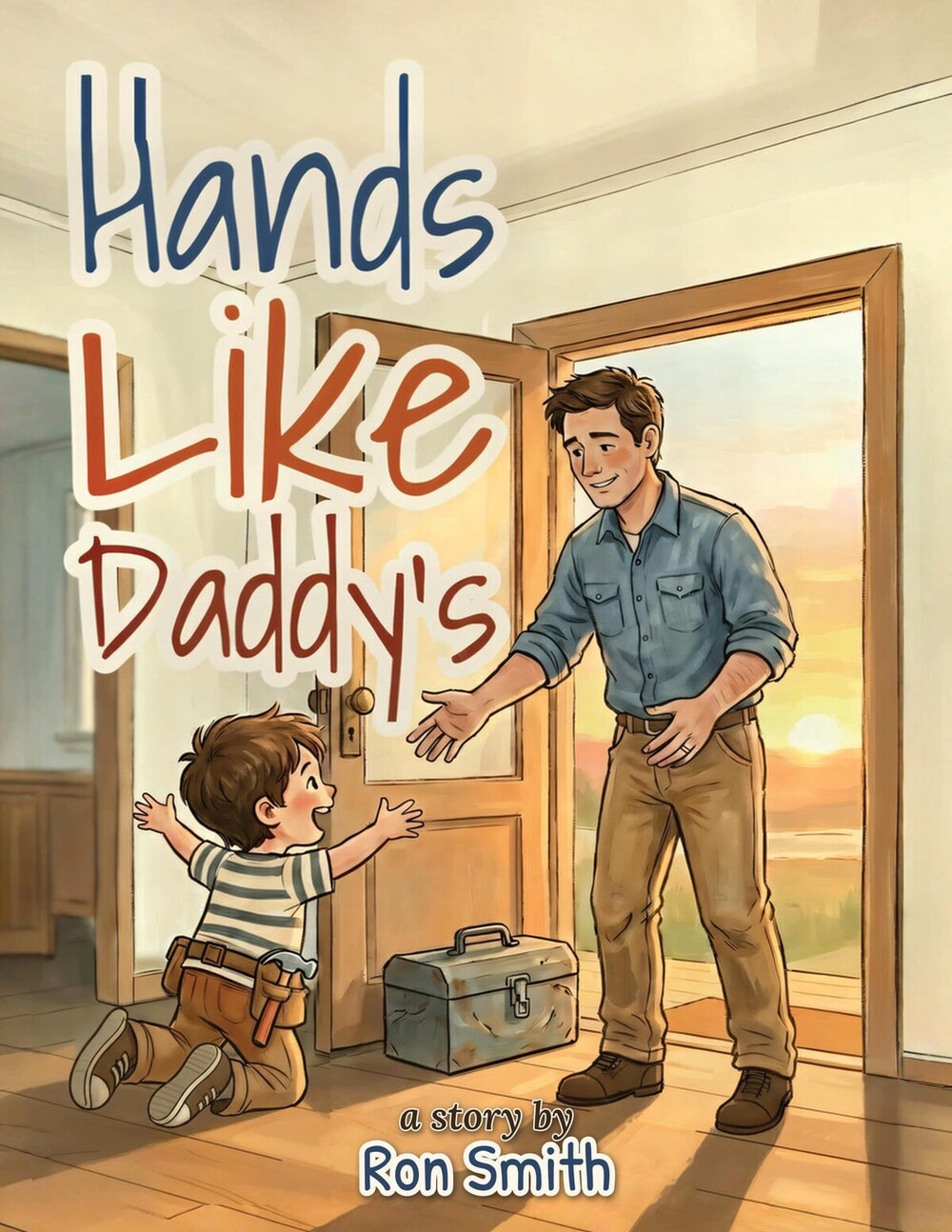
The fix was not subtle. Take the illustration to the edge on all four sides, lose the band, set the author’s name large enough to carry across a room. Same artwork, same book. It stops looking like a file and starts looking like a cover.
You cannot see this on a monitor. You see it when the box shows up.
The first edition was pre funded by Founding Readers, people who chose the tier before the book existed. Fifty first edition copies were printed for them, each one numbered and signed, each with a certificate laid into the front.
That is what paid for the first print. Not a publisher, not an advance. Readers who decided it should exist.

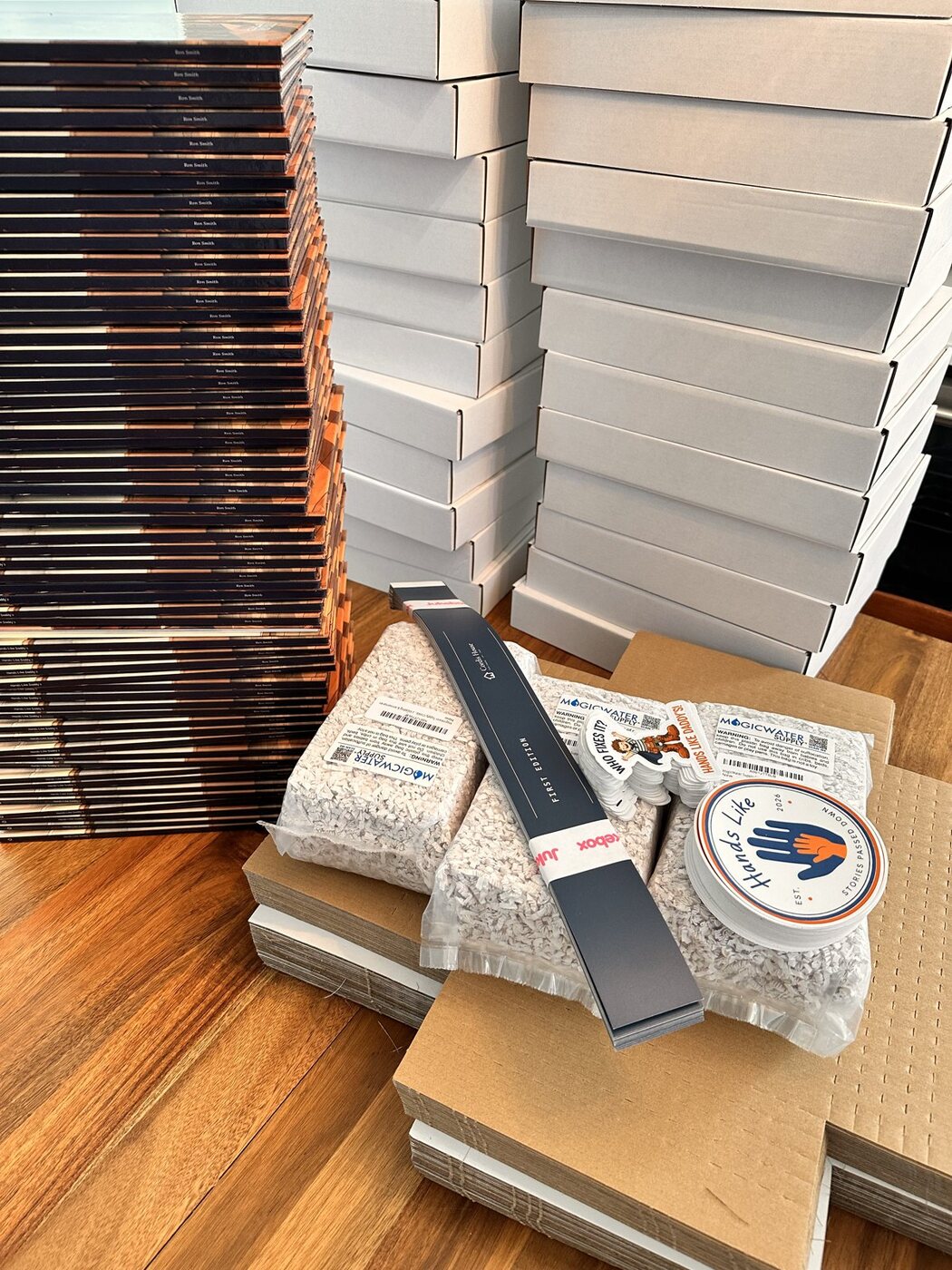
The trade edition is printed to order and ships through the printer’s network, which is why a bookseller in another country can order it from the same catalogue as anyone else. No warehouse, no print run to gamble on, no inventory to discount.
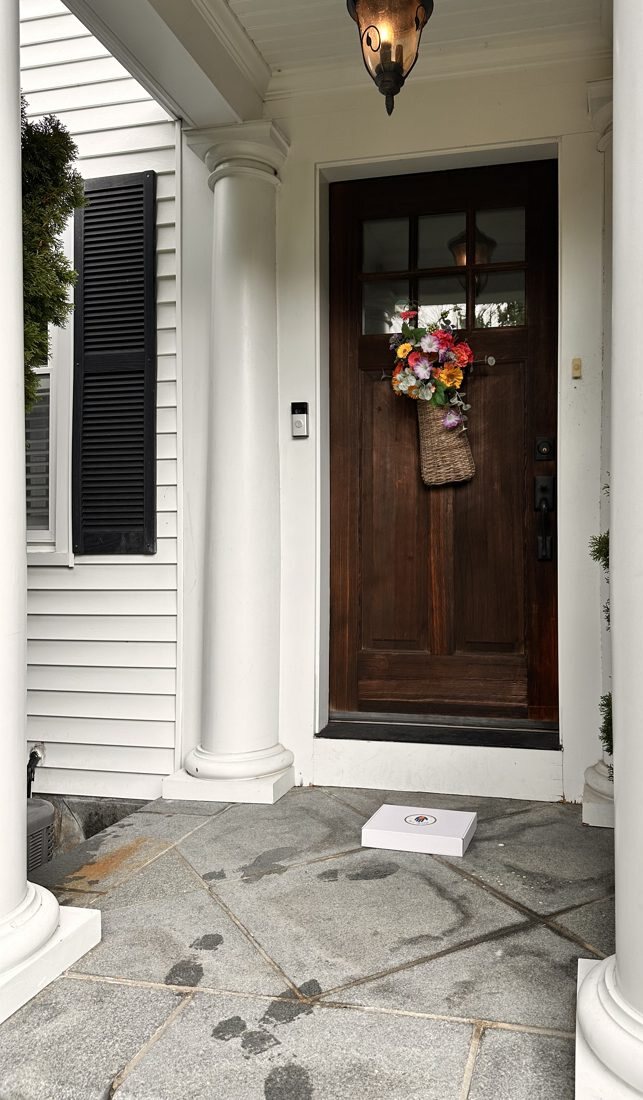
The 50 numbered first editions went out differently. Those were packed here, by hand, because a numbered copy with a signature and a certificate laid into the front is not something you hand to a conveyor.
This is the part nobody puts on a publisher’s website. It is also the part that decides whether a reader ever actually gets the book.
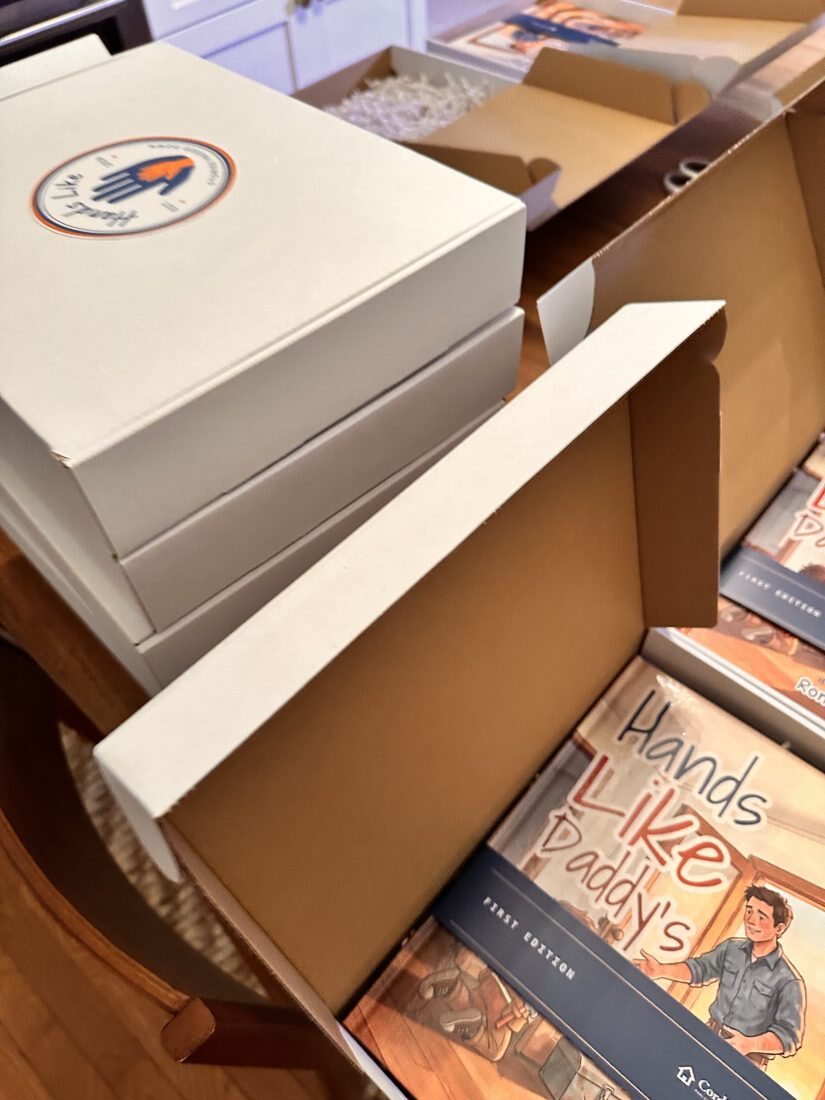
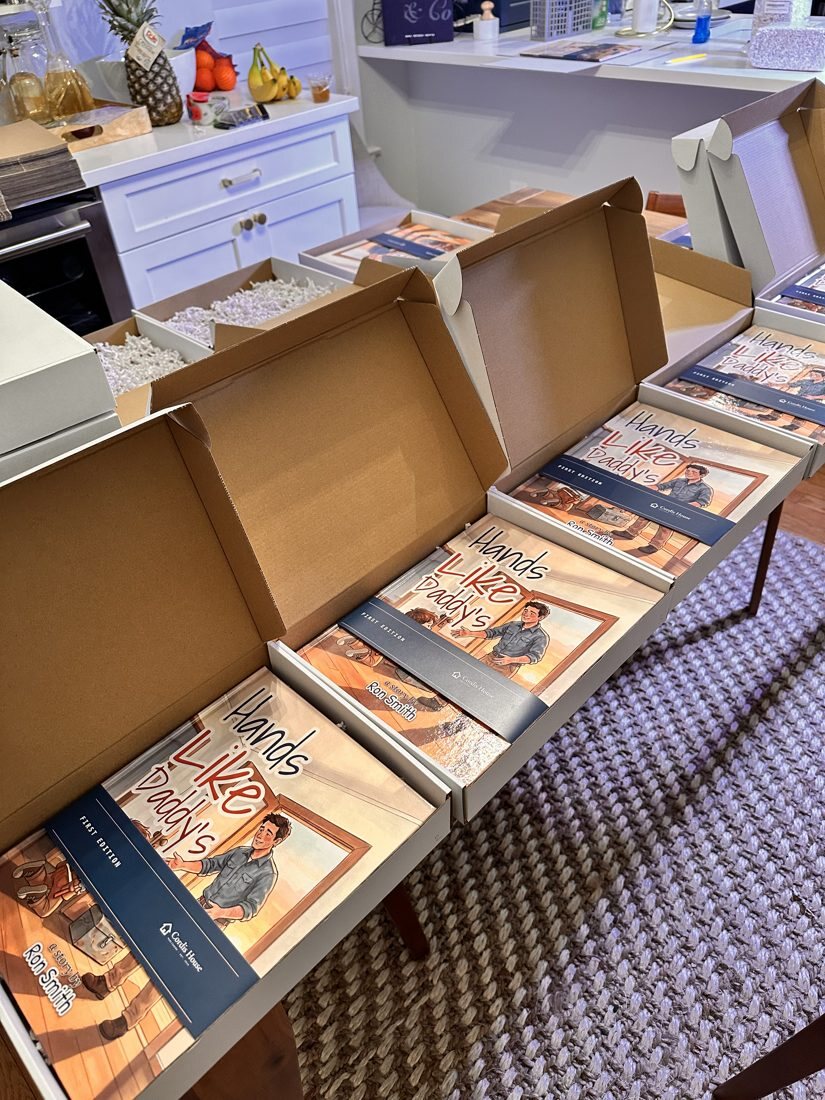
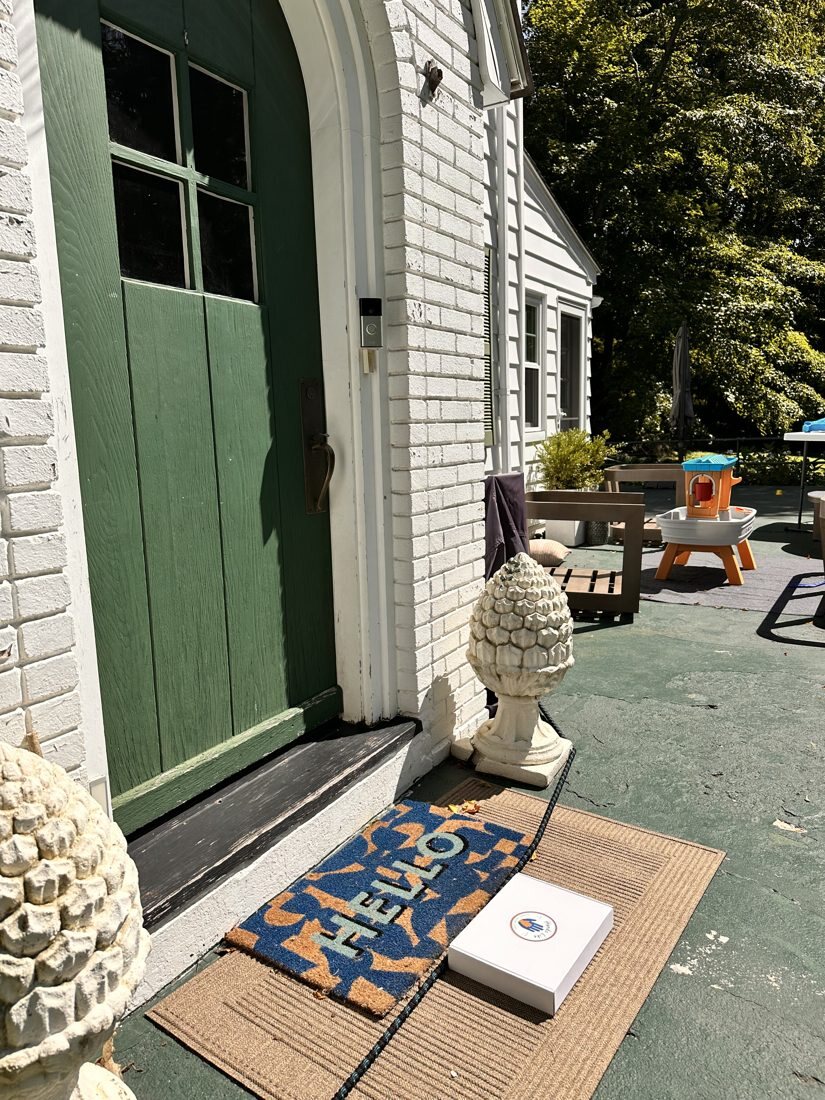
We ask readers for an honest review and nothing more. Every quote on this site is verbatim and attributed. We do not edit them, and we do not trim them to flatter the book.
One of them is four stars. It is on the site too.


There is a song, recorded and released, and a video to go with it. There are coloring books and activity pages. None of that is the book. All of it is how the book finds people.
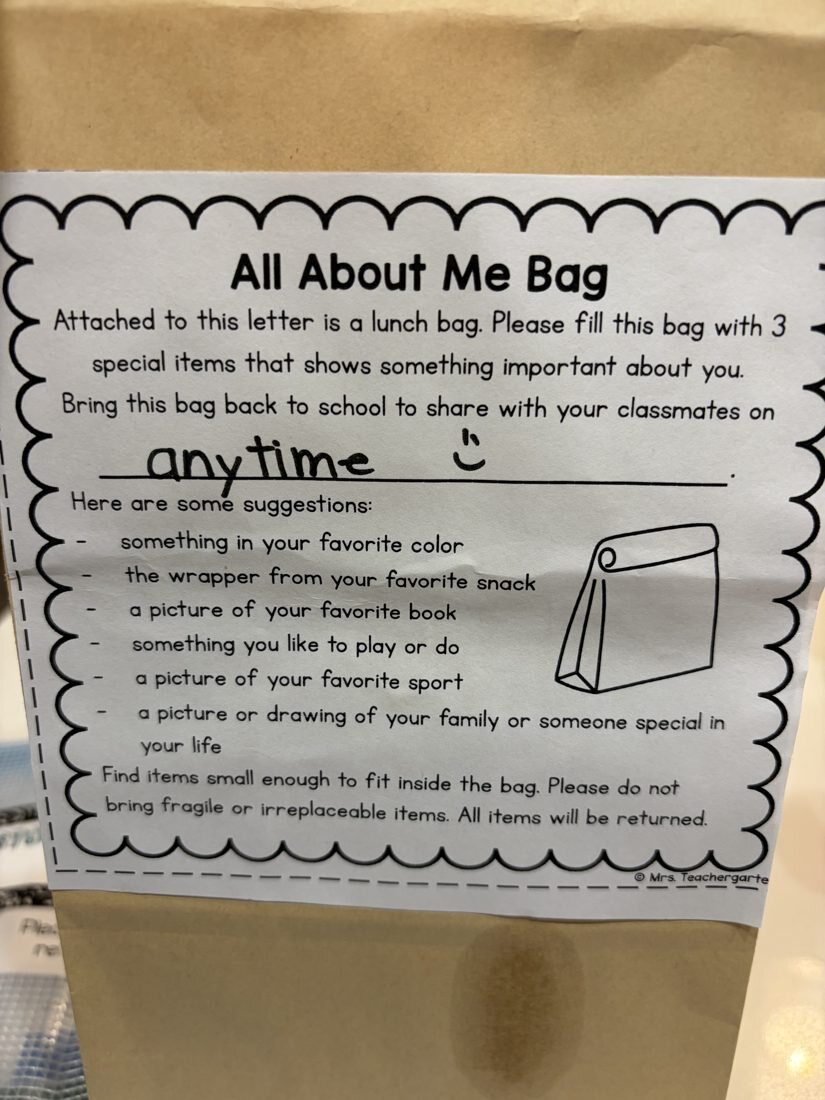
And then a kid puts it in a paper bag for an All About Me assignment, because the book is about his dad, and that is the part you cannot plan for.

Everything above took about a year. The expensive part was never any single line item. It was the decisions, made in the wrong order, and paid for later: the ISBN you do not own, the trim you cannot change, the cover you approved on a screen.
We publish a small number of books a year, so most answers are no even when the book is good. The questions are long on purpose.